|
| |
Welcome to the Ei Newsletter
Ei Newsletter: Spring 2026 Edition – A Decade of EvolutionA profound milestone defines this season. Eleven years ago today, the then Zero Waste in ACTION blog celebrated 200,000 pageviews. Today, exactly on the same date, the Regeneration in ACTION (RiA) Magazine surpassed 880,000 views. The compounding growth validates a decade of dedication and signals a robust entry into the Era of Impact. As Earth Impact (Ei) segues to the Ei Educates business model, storytelling and documentation serve as primary tools for systemic change. This newsletter explores the intricate relationships within Earth’s Digestive System (EDS) and highlights how focused observation in the Ei Rewilding Urban Landscapes Pilots translates into global ecological insights. Featured content includes the Water Security platform evolution and the debut of the Fingertip Press Snippet Stories, documenting the Principles of Nature through the lens of Holly Elmore Images. Indeed, Ei continues to thrive and lives the tagline, Regeneration in ACTION!
Follow the Ei Magazines, The IMPACT and Regeneration in ACTION (RiA) to keep current on project status and tales from the journey.
|
|
|
|
| |
Escalating Readership Validates the Era of Impact
The Ei publications' escalating readership underscores a significant appetite for regenerative knowledge.
As of today, The IMPACT topped 305,000 views, providing a powerful companion to the Regeneration in ACTION (RiA) Magazine milestone of 880,000 views. With RiA securing 19.5K views within the last month alone, the digital reach of the organization continues to expand across a global audience.
The engagement surge reflects the successful integration of the Earth’s Digestive System (EDS) framework and the growing interest in the Ei Rewilding Urban Landscapes Pilots. The compounding statistics validate that the transition into the Era of Impact is resonating with readers who seek tangible, biological solutions for environmental and societal security.
The RiA Magazine article, RiA Magazine tops 850,000 Views: A Testament to Enduring Impact, celebrates the earlier achievements, provides an overview of current readership statistics, and serves as a record of the escalating readership.
|
|
|
|
|
| |
Fresh Water Depletion & Systemic Contamination
Global stability faces a severe threat from the accelerating depletion of fresh water reserves and pervasive systemic contamination. The disruption of the water cycle represents more than an environmental challenge; it is a fundamental breakdown of the planet's primary hydration infrastructure.
The RiA article, The Water Cycle: A System in Crisis, substantiates how broken hydrological cycles contribute to environmental dehydration. It highlights the urgent need to move beyond traditional management toward the biological restoration of the landscape.
Restoring the ability of the earth to absorb and store rain is an essential path to returning unbalanced systems to a healthy, balanced state.
Blue planet image courtesy of Science Learning Hub.
|
|
|
|
|
| |
The Foundation of Regeneration
The Earth’s Digestive System (EDS) provides the vital road map for the Era of Impact, showing how nature manages its own health below the surface. By understanding these subterranean relationships, it becomes possible to move away from mechanical fixes and towards true biological restoration. The EDS article series explores the microscopic workforce and biological rules that build a resilient Soil Sponge and a healthy landscape.
Four foundational articles anchor the EDS framework:
Earth’s Digestive System: Restoring the Soil Microbiome – An introduction to the core principles of soil health and the transition from synthetic interventions to biological support. The Microbial Workforce: Powering the Earth's Digestive System – A deep dive into the specialized labor categories—Architects, Recyclers, and Regulators—that maintain the Underground Economy. The Principles of Nature: Biological Governance for Human and Ecological Systems – An exploration of the biological constitution that governs resilient ecosystems and mirrors healthy human societal structures. - Earth’s Digestive System: A Living Glossary – A foundational reference for the technical nomenclature used throughout the series, defining the mechanisms of the Soil Sponge and the Water Vault.
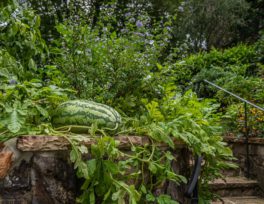
The HEI photo showcases how urban yards with diverse foliage support the soil microbiome.
|
|
|
|
|
| |
Visualizing Regeneration: The Fingertip Press Snippet Stories
The Ei Era of Impact is defined by a shift from the established focus on resource sustainability to tangible, biological regeneration. As Ei Founder & CEO Holly Elmore documents the transition of urban environments into functional habitats, storytelling becomes a vital tool for education.
Snippet Stories, a Fingertip Press endeavor and an HEI central focus, utilize photography and narrative to chronicle the intricate relationships within the Principles of Nature. The narrative serves as a bridge between ecological observation and everyday life.
The following collection highlights the inaugural Snippet Stories that document the journey of the Ei Rewilding Urban Landscapes Pilots (Pilots) and other regenerative explorations.
The RiA Magazine article, Visualizing Regeneration: The Fingertip Press Snippet Stories, introduces the Snippet Stories with features on the inaugural stories.
|
|
|
|
| |
Atala Butterflies Return from Near Extinction
The once abundant Atala butterflies were thought to be extinct from the 1930s until 1959 when a few specimens were discovered. In 1979, a colony of Atala butterflies was found on an island off the Miami Coast. It is likely that the current population are descendants of the island butterflies.
The Pilots contain three coontie palms, one in the front-yard native-plant landscape and two within the backyard food forest. In the summer of 2023, Holly documented the Atala butterfly lifecycle from eggs to caterpillars to cocoons to butterflies with the backyard Pilot.
In the summer of 2023, the RiA Magazine article, Atala Butterflies Return from Near Extinction, published with research on the demise and return of the Atala butterfly; an HEI photo gallery of the same name showcases the snippet story in visual format.
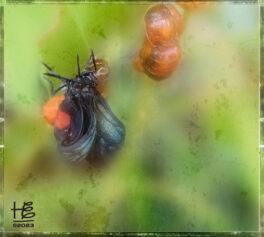
Photo of an Atala butterfly emerging from its cocoon courtesy of HEI.
|
|
|
|
|
| |
The Elderberry Gift: From Backyard Sapling to Culinary Art
As the Pilots segued from a vision to a vibrant reality, a young elderberry sapling was planted within the northwest corner of the backyard in the spring of 2022. Near the banana compost circle, the corner often floods with heavy rain during the wet season and was a perfect spot for the elderberry bush to thrive.
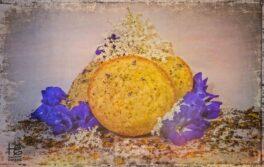
With an abundant crop of elder flowers in the spring of 2026, a French yogurt cake recipe was chosen for the inaugural elderberry culinary expression; the cake was accented with dried elder flowers, cardamom, Fiori di Sicilia, and topped with elder flower sugar before baking. Post baking, the cakes were infused with a delicious elder flower and lemon simple syrup.
The HEI photo gallery, The Elderberry Gift: From Backyard Sapling to Culinary Art, showcases the snippet story in visual format.
Elder flower French yogurt cake photo courtesy of HEI.
|
|
|
|
|
| |
Blueberries: From Blossoms to Fruit
When the pandemic curtailed personal and professional activities in the spring of 2020, Holly utilized the hiatus to document the natural world through a lens of focused observation. While exploring the neighborhood Duck Pond Park in Atlanta, the discovery of dainty blueberry blossoms initiated a multi-week commitment to capturing the journey from flower to fruit.
The pandemic project culminated in the digital book, Blueberries: From Blossoms to Fruit, which integrated photographic evidence with blueberry history and lore.
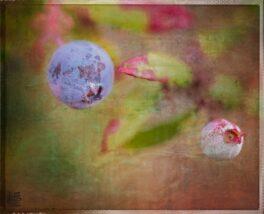
Upon re-establishing in Sarasota, Florida, Holly immediately planted Florida-native blueberry bushes. The southern varieties now thrive within the backyard Pilot, and their progress is incorporated into the associated album. The collection serves as a bridge between the initial Atlanta observations and the current realization of a functional, edible habitat in Sarasota.
The HEI photo gallery, Blueberries: From Blossom to Fruit, showcases the snippet story in visual format.
Ripening blueberries photo courtesy HEI.
|
|
|
|
|
| |
Ground Cherries: Culinary Gems within the Landscape Ground Cover
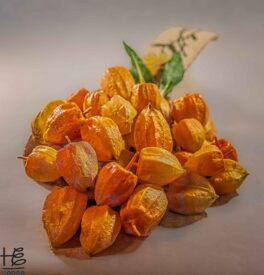
Beyond aesthetics, edible landscapes provide an easy source of food without the carbon footprint inherent within products purchased at markets and grocery stores. Florida-native ground cherries (Physalis walteri) are a distinguished addition to home landscapes, serving as a food source for wildlife, a favorite of the gopher tortoise, and humans. The resilient plants produce fruit encased in delicate, papery husks that protect the harvest as it ripens.
The tasty cherries offer a sweet yet tart accent to salads, cakes, and a variety of other culinary dishes. In early September 2022, an abundant harvest of ripe ground cherries served as the perfect garnish for a ginger-lemon olive oil cake. A few days later, a gifted starfruit along with native blueberries harvested from the backyard made a lovely riff on the cake.
The HEI photo gallery, Ground Cherries: Culinary Gems within the Landscape Ground Cover, showcases the snippet story in visual format.
Ground cherry harvest photo courtesy of HEI.
|
|
|
|
|
| |
Bee Swarms: Nature’s Way to Grow Strong Bee Populations
Honey bee swarming is integral to colony propagation and overall bee population stabilization and growth.
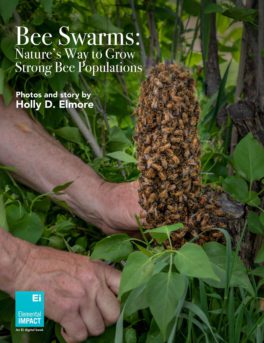
In the Southern Farm & Garden summer 2018 issue, a two-page photo essay titled Bee Swarms: Nature’s Way to Grow Strong Bee Populations educates on the important role bee swarms play in propagating populations, both through the size and the number of colonies.
The HEI photo gallery, Bee Swarms: Nature’s Way to Grow Strong Bee Populations, showcases the snippet story in visual format.
Bee Swarms article cover image courtesy of Southern Farm & Gardens.
|
|
|
|
|
| |
Join the Ei Team
Through active participation, Ei Supporters work with industry leaders on establishing regenerative business practice standards. To join the close-knit Ei Team and commit to active participation, contact Holly at holly@earth-impact.org or 404-510-9336.
|
|
|
| |
Tax-deductible donations in any amount are greatly appreciated to support Ei's important work. DONATE HERE
|
|
|
|