|
| |
Welcome to the Ei Newsletter
Ei Newsletter: Summer 2026 Edition – A Decade of EvolutionSummer brings profound momentum to Earth Impact (Ei) as regenerative initiatives gain unprecedented traction worldwide. The season marks a historic evolution across digital publications, hands-on urban rewilding pilots, and deep ecological education. As legacy structures continue to give way to autonomous growth, the urgency to prioritize planetary health accelerates.
The current edition highlights major milestones, including the near-completion of a massive readership goal for the Regeneration in ACTION Magazine, essential insights into soil microbiology and insect ecosystems, and new milestones in environmental journalism.
Explore the updates below and join the collective effort to establish ecological stewardship as the global standard. Indeed, Ei continues to thrive and lives the tagline, Regeneration in ACTION!
Follow the Ei Magazines, The IMPACT and Regeneration in ACTION (RiA) to keep current on project status and tales from the journey.
|
|
|
|
| |
Ei Magazines: Compounding Reach and Enduring Impact
The RiA Magazine officially surpassed 950,000 cumulative pageviews, bringing the milestone of one million views into clear, imminent view. Escalating readership underscores a powerful global appetite for regenerative knowledge, propelled both by recent releases and by the enduring value of legacy resources. For instance, the 2019 Rio Piedras: revitalizing beyond their wildest dreams article alone secured over 2,200 views within the last thirty days, proving that foundational ecological reporting maintains steady long-term relevance.
The compounding momentum for legacy and current articles drives total views and anchors a digital footprint that reaches across international audiences. The ongoing engagement reflects a successful integration of the Earth’s Digestive System framework and expanding interest in urban rewilding pilots.
The feature article, RiA Magazine Tops 950,000 Views: A Convergence of Impact and Art, documents the historic milestone and details the continued acceleration. On July 15, the publication of the Insect Apocalypse: Regenerating the Foundation of Life article captured over 18,000 views within hours of release.
|
|
|
|
|
| |
Insect Apocalypse: Regenerating the Foundation of Life
When it published, the RiA Magazine article Insect Apocalypse: Regenerating the Foundation of Life captured over 18,000 views within hours of release; the unprecedented views surge signals a reader urgency regarding insect ecosystems.
Often described as the "little things that run the world," insects form the vital base of the predator-prey hierarchy and serve as essential food and energy links across the web of life. However, mounting data—from decades-long European monitoring to recent subalpine meadow studies in Colorado that showcase a 72.4% drop in insect abundance—reveals a systemic unraveling of the living infrastructure. The sacred marriage of soil and water sustains insect lifecycles. When aquatic environments and soil horizons degrade, macroinvertebrates perish. The loss strips ecosystems of essential food and energy links.
Insects act as the large-scale operators of the Earth's Digestive System. While soil microbes function as microscopic architects of fertility, insects shred leaf litter and aerate soil to prepare organic material for microbial ingestion. Insect population declines cause digestive paralysis, which halts nutrient cycling and water filtration.
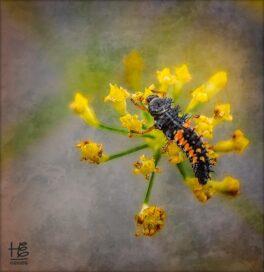
Photo: Harlequin ladybird larvae feats on fennel blossoms courtesy of Holly Elmore Images
|
|
|
|
|
| |
The Foundation of Regeneration
Introduced in the spring newsletter, the Earth's Digestive System (EDS) framework maps the complex microbial and macro-level interactions driving planetary vitality. The initiative continues to expand with new publications and media releases exploring subterranean economies and planetary metabolism.
|
|
|
|
|
| |
The Architecture of Life: How Carbon Builds the Underground Infrastructure
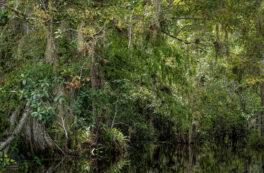
The ongoing exploration of planetary metabolism advances with RiA article, The Architecture of Life: How Carbon Builds the Underground Infrastructure. The article examines carbon as the foundational building block of subterranean economies and establishes its essential role in building the underground infrastructure. Carbon structures the soil sponge and fuels the microscopic workforce that drives planetary fertility.
Photo: A lush carbon-rich swamp in the Florida Everglades courtesy of Holly Elmore Images.
|
|
|
|
|
| |
The Earth's Digestive System: A Saga of Human Intervention
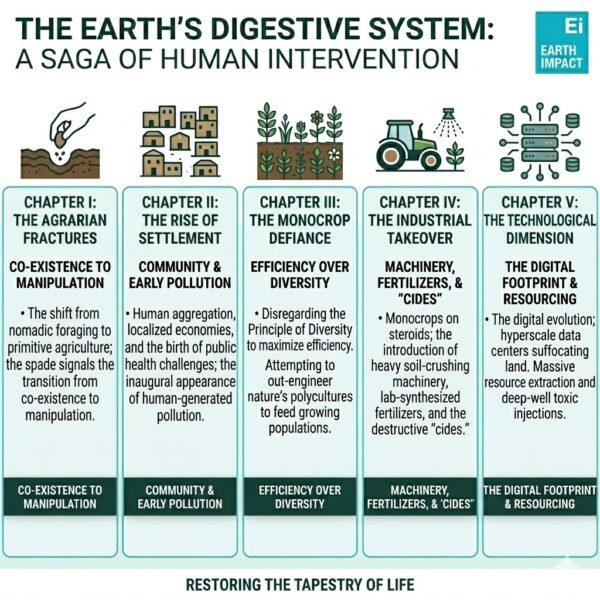
Exploration of the RiA Magazine EDS article series continues with The Earth's Digestive System: A Saga of Human Intervention. Historical shifts from regenerative practices to industrial interventions receive detailed examination.
When early humans established agrarian roots, the first spade digging into the soil marked the initial intervention that disrupted subterranean biological machinery. Subsequent movements into the industrial, technical, and digital ages introduced compounding disruptions that altered planetary metabolism.
Along with the challenges introduced within each of the five eras of human development, creative solutions in action are showcased; organizations dedicated to regenerating Nature's perfected systems are also included.
|
|
|
|
| |
EDS Video Series: An Introduction
Ei marks a major milestone with the release of the first official short-film production. Previewing the upcoming Ei YouTube channel, The Earth's Digestive System: An Introduction leads a trio of short films slated for formal release. Sequential cinematic clips translate complex subterranean mechanics into accessible motion media.
|
|
|
|
|
| |
The EDS Article Series
Restoring landscape resilience through biological soil management.
The EDS article series in the RiA Magazine explores the subterranean biological economy and the microbial workforce required to cultivate a healthy soil sponge. Current Articles in the Series:
|
|
|
|
| |
An exciting evolution unfolds as Ei unveils a bold new mission statement! Building upon the foundational framework of the EDS and the dynamic momentum of the Era of Impact, the refreshed direction unites economic systems with biological health to secure long-term community resilience. New Ei Mission Statement: To foster long-term community resilience by driving actions that align economic systems with biological health. Through education and collaboration, Ei establishes the Principles of Nature as the standard for ecological and societal security.
The IMPACT article, Ei: New Mission Statement | A Regenerative Direction, announces the new mission statement.
|
|
|
|
| |
From the RiA Magazine article, RiA Magazine Tops 950,000 Views: A Convergence of Impact and Art:
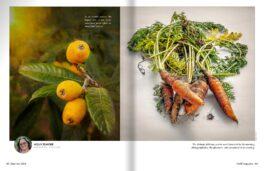
RiA Magazine readership momentum marks a convergence of written advocacy and visual narrative. As the articles gained significant notoriety, photographic documentation of the Ei Rewilding Urban Landscapes Pilots earned a prestigious full-page feature in the Summer 2026 edition of Auré Magazine.
The images offer a living account of the regenerative practices described in the articles, bridging the gap between theory and tangible result. The milestones alignment validates the depth of the Ei mission, as the work reaches the industry leaders and pioneers capable of establishing regenerative practices as the standard.
Photos: full-page spread including ripe loquat fruit and freshly harvested carrots coucourtesy of Holly Elmore Images
|
|
|
|
|
| |
Tax-deductible donations in any amount are greatly appreciated to support Ei's important work. DONATE HERE
|
|
|
|
| |
Join the Ei Team
Through active participation, Ei Supporters work with industry leaders on establishing regenerative business practice standards. To join the close-knit Ei Team and commit to active participation, contact Holly at holly@elementalimpact.org or 404-510-9336.
|
|
|
| |
Join the Ei Team
Through active participation, Ei Supporters work with industry leaders on establishing regenerative business practice standards. To join the close-knit Ei Team and commit to active participation, contact Holly at holly@elementalimpact.org or 404-510-9336.
|
|
|